Why Silver Diamine Fluoride is a Gentler Way to Stop Cavities in Their Tracks
The word “cavity” tends to trigger a predictable mental image the needle, the drill, the filling. And while traditional treatment is absolutely the right call in many situations, dentistry has quietly expanded to include some more conservative options for the right circumstances. Silver Diamine Fluoride, or SDF, is one worth knowing about.
At Jubilee Dental, we think good dental care means finding the approach that fits the person in the chair their age, their comfort level, their readiness. SDF is one of the tools that helps us do that, particularly for young children, patients with dental anxiety, or anyone who needs a gentler path forward right now.
So What Exactly Is It?
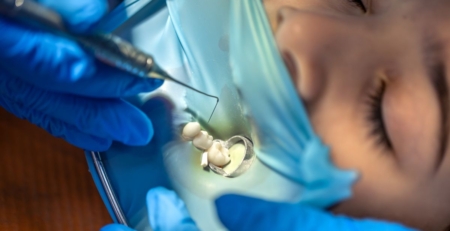
Silver Diamine Fluoride is a clear liquid medication applied directly to areas of tooth decay. No drilling, freezing, or removal of tooth structure.. The whole process takes just a few minutes and is essentially painless, which makes it a very different experience from what most people brace themselves for.
The way it works comes down to two ingredients doing two jobs. The silver targets and reduces the bacteria driving the decay. The fluoride strengthens what’s left of the tooth structure. Together, they work to stop the cavity from progressing not fix what’s already been lost but halt the damage where it is.
For a child who isn’t quite ready for a traditional filling, or a patient who needs to delay more involved treatment for any reason, that ability to simply pause the problem is genuinely valuable.
Who It’s Really For
SDF tends to be recommended when a conservative approach makes the most sense for where someone is in their life or treatment journey. Very young children who aren’t yet comfortable sitting through restorative work are one of the most common cases SDF can stabilize the decay until they’re older and more prepared. Patients with dental anxiety who need time to build trust before moving forward with more involved procedures also benefit, as do seniors, individuals managing certain health conditions, or anyone facing a temporary delay in care.
It’s also used in cases where a smaller cavity is being monitored, and the goal is preventing it from getting worse in the meantime. That said, it’s worth being clear about what SDF is and isn’t. It doesn’t rebuild the tooth or restore missing structure the way a filling does. Think of it less as a repair and more as a stabilizer something that protects the tooth and buys time until further treatment is either needed or appropriate.
The One Thing to Know Before You Decide
There’s an important detail we always share before recommending SDF: the decayed area of the tooth will permanently darken after treatment. That dark staining is a good sign it means the decay has hardened and the treatment is doing its job, but it is permanent, and it’s something every patient deserves to know upfront.
Because of this, SDF is most often used on baby teeth, back molars, or areas where appearance is less of a priority. We’ll always walk through the trade-offs with you honestly so you can make a decision that feels right for your situation or your child’s.
At the end of the day, SDF is one part of a broader approach to dental care that prioritizes comfort, practicality, and meeting people where they are. If you’re curious whether it might be a good fit for you or your child, the team at Jubilee Dental in Oak Bay is happy to talk it through no pressure, just a straightforward conversation about your options.
Read More: What are Dental Fillings and When do You Need Them