What are Dental Fillings and When do You Need Them
Hearing the words “you need a filling” can make some people feel uneasy, especially if it’s been a while since their last dental visit. The good news is that dental fillings today are nothing like what you might remember or imagine. Modern techniques and materials have made cavity treatment quicker, more comfortable, and far more natural-looking than ever before.
At Jubilee Dental, we take a calm, straightforward approach to care. If you do need a filling, we’ll walk you through it in simple terms so you know exactly what’s happening and why, most patients are pleasantly surprised by how easy the process feels from start to finish.
What Causes a Cavity in the First Place?
A cavity is simply a small area of tooth decay. It forms when plaque, a sticky layer of bacteria, builds up on the surface of your teeth. These bacteria feed on sugars from food and drinks, producing acid that slowly wears down the enamel. Over time, that weakened spot can turn into a small hole, which is what we call a cavity.
Cavities don’t always cause pain right away. In fact, many are found during routine checkups before you even notice anything unusual. Sometimes there may be subtle signs like sensitivity to sweets or cold drinks, or a rough spot you can feel with your tongue. Catching tooth decay early is key, as it allows for simple treatment before the problem gets bigger.
Left untreated, a cavity can deepen and reach the inner layers of the tooth, which may lead to discomfort or infection. That’s why regular exams and early care matter. A small filling today can help prevent more involved treatment later on.
What to Expect During a Filling Appointment
If you need dental fillings in Victoria, the process is designed to be as smooth and comfortable as possible. Your appointment will begin with making sure you’re at ease. We gently numb the area around the tooth so you don’t feel pain during the procedure. Most patients find this step quick and manageable.
Once the area is numb, the decayed portion of the tooth is carefully removed. This step ensures that only healthy tooth structure remains. After that, the space is cleaned and prepared for the filling material.
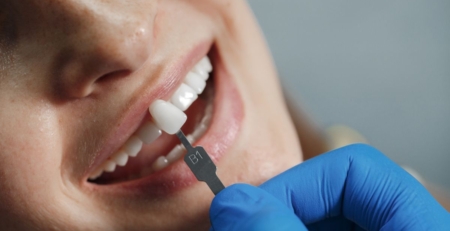
Today, most fillings are made from tooth-coloured composite materials. These are designed to blend in naturally with your existing teeth, so your smile looks unchanged. The material is placed in layers and shaped to match your bite, then hardened with a special light. The final step is polishing the filling so it feels smooth and comfortable.
From start to finish, cavity treatment at Jubilee Dental is typically completed in one visit. Many patients are surprised by how quick the appointment feels and how normal their tooth looks afterward. You can usually return to your day right away, with only minor numbness for a short time.
Why Early Treatment Makes All the Difference
One of the most reassuring things to know about fillings is that they are a simple, effective way to stop tooth decay in its tracks. When treated early, cavities can be repaired with minimal impact on the rest of the tooth. This helps preserve your natural structure and keeps your smile strong.
Modern fillings are also built to last. With good oral hygiene and regular dental visits, they can protect your tooth for many years. Brushing, flossing, and keeping up with cleanings all play a role in maintaining both your natural teeth and any restorations.
If you’ve been putting off a visit because you’re worried about needing a filling, you’re not alone. Many people feel the same way. But the reality is that early treatment is usually quick, comfortable, and far less stressful than expected. Taking care of small issues now helps you avoid bigger concerns later.
If something doesn’t feel quite right with your tooth, or if it’s simply time for a checkup, we’re here to help in a relaxed and supportive way. A simple visit can give you clarity, peace of mind, and a plan to keep your smile healthy moving forward.
Read More: What’s the Difference Between Crowns, Inlays, and Onlays?